


Precision Shaping with Ball Nose End Mills: A Beginner’s Guide
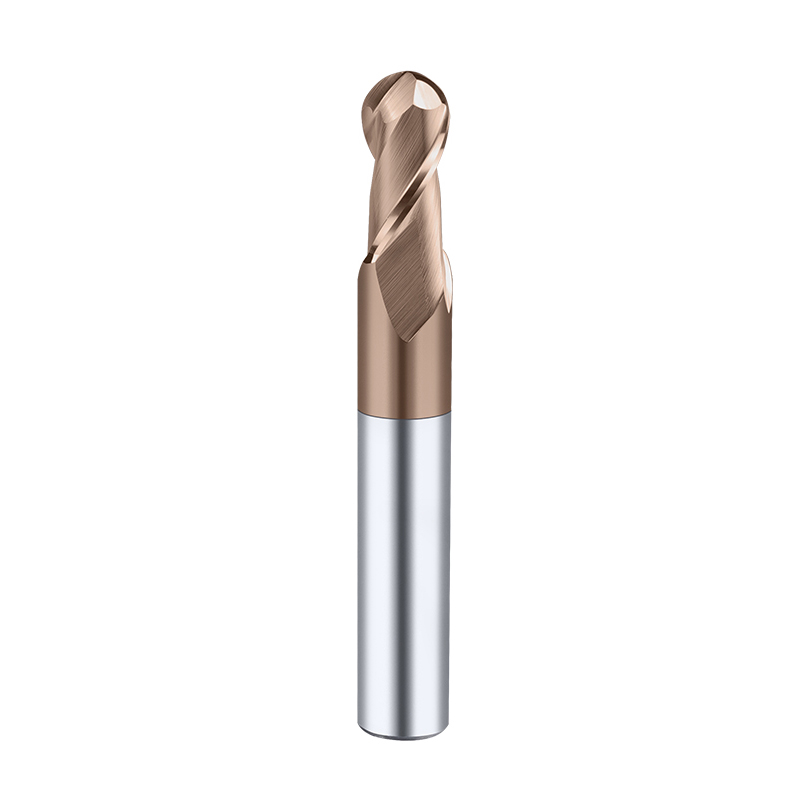
This article explores the design, applications, and selection of ball nose end mills in CNC machining. It covers their uses in creating 3D shapes, complex contours, and smooth finishes, along with guidance on how to choose the right tool. Comparisons with square end mills and tips on tool maintenance will help readers make informed decisions. Perfect for anyone interested in precision machining and optimizing their tool use.
What is a Ball Nose End Mill? Understanding its Unique Design
A ball nose end mill is a cutting tool with a rounded tip, designed for creating smooth, curved surfaces, intricate contours, and 3D features in CNC machining. The rounded edge allows for cutting in multiple directions, making it ideal for shaping complex geometries. Understanding its design is crucial for choosing it for specific tasks.
Applications of Ball Nose End Mills in CNC Machining
Ball nose end mills are commonly used for 3D contouring, engraving, and carving operations, particularly in industries like aerospace, automotive, and mold making. Their ability to cut curves and complex shapes makes them essential for precision machining of molds, dies, and prototypes. They’re also effective for finishing and creating smooth surfaces.
Choosing the Right Ball Nose End Mill for Your Project
Selecting the right ball nose end mill depends on the material you’re working with, the depth of cut, and the desired surface finish. Tool size, coating, and geometry are also important factors in ensuring the right fit for your machining needs. Understanding these elements helps improve both tool life and machining results.
Ball Nose End Mill vs. Square End Mill: Which One to Choose?
Ball nose end mills are ideal for curved surfaces, while square end mills are better suited for sharp corners and flat surfaces. Understanding the differences between these two tools helps machinists select the best option for achieving precise results in their projects, especially when working with complex shapes.
Maintaining and Caring for Ball Nose End Mills
Proper care and maintenance are essential for preserving the sharpness and longevity of ball nose end mills. Regular cleaning, sharpening, and inspection help ensure that the tool continues to perform effectively and efficiently. A well-maintained tool reduces the risk of defects and ensures high-quality results in machining operations.
Final Recommendations :
Reading these recommendations will provide valuable insights on optimizing the use of ball nose end mills for precise, high-quality machining results. They help ensure tool longevity, improved performance, and a better understanding of advanced milling techniques.
- Understand Tool Geometry: Familiarize yourself with the different geometries of ball nose end mills for more precise selection in your machining tasks.
- Experiment with Materials: Test ball nose end mills on various materials to determine their capabilities and performance in different conditions.
- Focus on Cutting Parameters: Adjust cutting parameters like speed and feed rates for better results and tool longevity.
- Regular Maintenance: Ensure consistent tool performance by maintaining ball nose end mills through cleaning, sharpening, and routine inspection.
- Stay Updated on New Innovations: Keep up with advances in coatings, geometries, and materials to optimize your machining processes with the latest ball nose end mill technology.
These five recommendations guide readers in maximizing the efficiency and lifespan of ball nose end mills through proper selection, maintenance, and technique. They also encourage staying informed on the latest advancements to improve overall machining performance.