


What is a CNC Milling Machine? A Beginner’s Guide to Precision Machining.
Article list :
- Understanding the Basics: What Does CNC Stand For and How Does It Work?
- Key Components of a CNC Milling Machine: From Spindles to Control Panels
- How CNC Milling Machines Revolutionize Manufacturing: Precision and Efficiency
- Applications of CNC Milling: Where and How Are These Machines Used?
- Getting Started with CNC Milling: Tools, Materials, and Programming Basics
This article provides a comprehensive introduction to CNC milling machines, ideal for beginners exploring precision machining. It explains the basics of CNC technology, the key components of a milling machine, and how they operate. Readers will learn about the applications of CNC milling across industries, its impact on modern manufacturing, and the tools, materials, and programming needed to get started. Perfect for anyone curious about the future of automated machining!
Understanding the Basics: What Does CNC Stand For and How Does It Work?
CNC stands for Computer Numerical Control, a technology that automates machining processes through pre-programmed instructions. By converting digital designs into G-code, CNC systems control the movement of tools and workpieces with incredible precision. These machines execute tasks like cutting, drilling, and shaping materials, revolutionizing manufacturing with accuracy and efficiency.
Key Components of a CNC Milling Machine: From Spindles to Control Panels
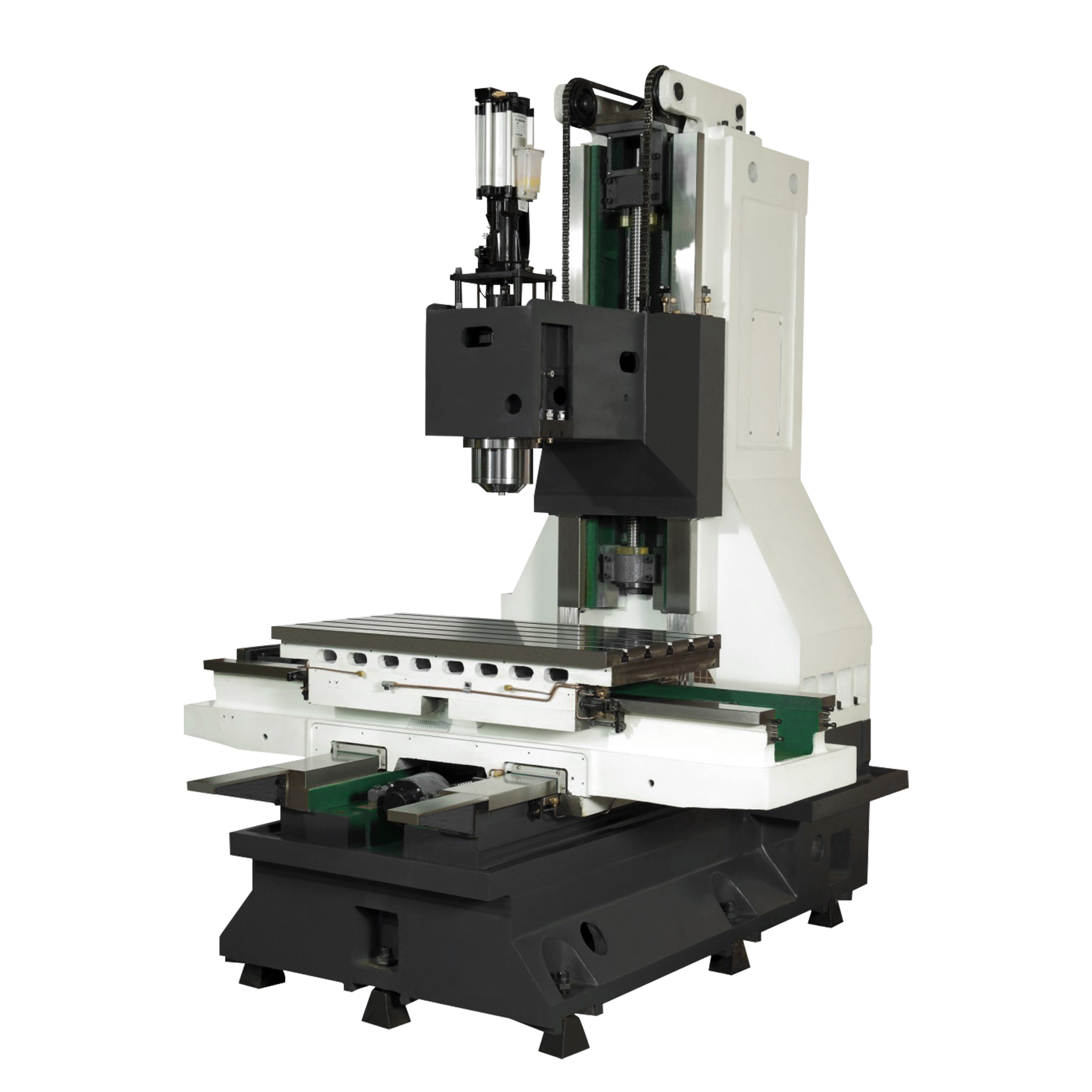
A CNC milling machine consists of several vital components working together to deliver precise results. The spindle holds and rotates cutting tools at high speeds, while the machine bed provides a stable platform for workpieces. Linear guides and ball screws ensure smooth, accurate movement of axes, and the control panel allows operators to program and monitor operations. Together, these elements create a powerful system for precision machining.
How CNC Milling Machines Revolutionize Manufacturing: Precision and Efficiency
CNC milling machines have transformed manufacturing by enabling unparalleled precision and repeatability in complex machining tasks. Their automated operation minimizes human error, ensures tight tolerances, and boosts production speed. From rapid prototyping to mass production, CNC milling enhances efficiency while maintaining consistent quality, making it a cornerstone of modern manufacturing.
Applications of CNC Milling: Where and How Are These Machines Used?
CNC milling machines are widely used in industries like aerospace, automotive, and medical device manufacturing, where precision is critical. They produce intricate components such as engine parts, custom molds, and surgical instruments. Additionally, CNC milling is essential in prototyping and low-volume production, enabling rapid design iterations and high-quality results.
Getting Started with CNC Milling: Tools, Materials, and Programming Basics
Starting with CNC milling requires an understanding of the essential tools, including end mills, drill bits, and tool holders. Familiarize yourself with commonly used materials like aluminum, steel, and plastics, each with unique machining properties. Finally, dive into programming basics, such as G-code, which translates designs into precise machine movements.
Final Recommendations :
These five recommendations offer practical steps to enhance your CNC milling knowledge, from hands-on experience to exploring relevant software. They encourage further learning and staying updated with the latest developments in the field.
- Explore CNC Milling in Action: If possible, visit a local workshop or factory to see CNC milling machines in action. Hands-on experience will deepen your understanding.
- Start with a Basic CNC Course: Consider enrolling in an introductory CNC milling course to get a feel for programming, machine setup, and operation.
- Experiment with CAD/CAM Software: Familiarize yourself with CAD (Computer-Aided Design) and CAM (Computer-Aided Manufacturing) software, which are essential for designing and programming CNC parts.
- Stay Updated: CNC technology is constantly evolving. Follow industry blogs, attend webinars, and read up on new advancements in automation and manufacturing.
- Practice Precision: Whether in your studies or work, practice designing and manufacturing with a focus on precision, as it’s key in CNC machining.
These recommendations guide readers toward hands-on learning and further exploration of CNC milling. By diving into courses, software, and real-world applications, they can enhance their skills and stay up-to-date with the latest industry trends.