


Square End mill
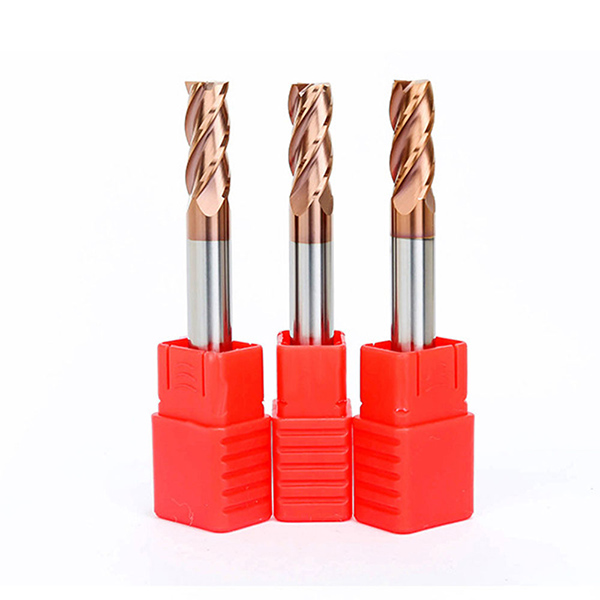
This article covers the essentials of square end mills, explaining their design, function, and key applications in CNC machining. It highlights how to choose the right tool based on material and project requirements, and compares square end mills with ball end mills. Additionally, it provides tips on proper maintenance to ensure tool longevity and performance. Ideal for anyone looking to improve their machining techniques and tool selection skills.
What is a Square End Mill? Understanding its Function and Design
A square end mill is a cutting tool used in CNC machining to create flat surfaces, grooves, and sharp corners. Its design features a flat end rather than a rounded one, which allows for precision in creating right angles and achieving tight tolerances in a workpiece. Understanding its design is key to choosing the right tool for specific milling operations.
Applications of Square End Mills in CNC Machining
Square end mills are versatile tools commonly used in operations like face milling, slotting, and contour milling. Their ability to cut precise corners makes them ideal for tasks such as pocketing, engraving, and machining detailed features in materials like metals, plastics, and composites. They are widely used in industries ranging from automotive to aerospace.
Choosing the Right Square End Mill for Your Project
Selecting the appropriate square end mill depends on factors like material type, cutting depth, and required surface finish. Considerations include the tool’s diameter, length, and material coating, as well as the specific requirements of the part you’re machining. Understanding these factors helps achieve optimal performance and tool longevity.
Differences Between Square End Mills and Ball End Mills
While square end mills feature flat edges for sharp, clean cuts, ball end mills have rounded tips designed for creating curved surfaces or intricate details. Understanding the difference in tool geometry helps determine the best option for achieving precision in various milling applications, especially when working with 3D shapes or complex contours.
Maintaining and Caring for Square End Mills
Proper maintenance is crucial for prolonging the lifespan and maintaining the performance of square end mills. Regular cleaning, inspection for wear, and sharpening are important practices to keep the tool sharp and ready for high-precision work. Understanding care techniques also helps prevent common issues like tool breakage and poor surface finish.
Final Recommendations :
Reading these recommendations will help you optimize the use of square end mills for better machining results and tool longevity. By applying these tips, you’ll improve your precision, efficiency, and overall performance in CNC milling operations.
- Experiment with Different Tools: Practice using square end mills in various applications to understand their versatility and limitations.
- Stay Informed on Tool Advancements: Keep up-to-date with new materials, coatings, and designs for square end mills to enhance machining performance.
- Invest in Tool Maintenance: Develop a regular maintenance routine to extend the life of your square end mills and ensure consistent cutting results.
- Evaluate Project Needs: Carefully assess each machining project to choose the most suitable square end mill based on the material and complexity of the design.
- Learn from Experts: Attend workshops or seek advice from experienced machinists to improve your skills and knowledge about using square end mills effectively.
These five recommendations offer practical steps to enhance your CNC milling skills, from choosing the right square end mill to maintaining tools for longevity. They provide valuable insights for achieving precision, efficiency, and superior results in your machining projects.